
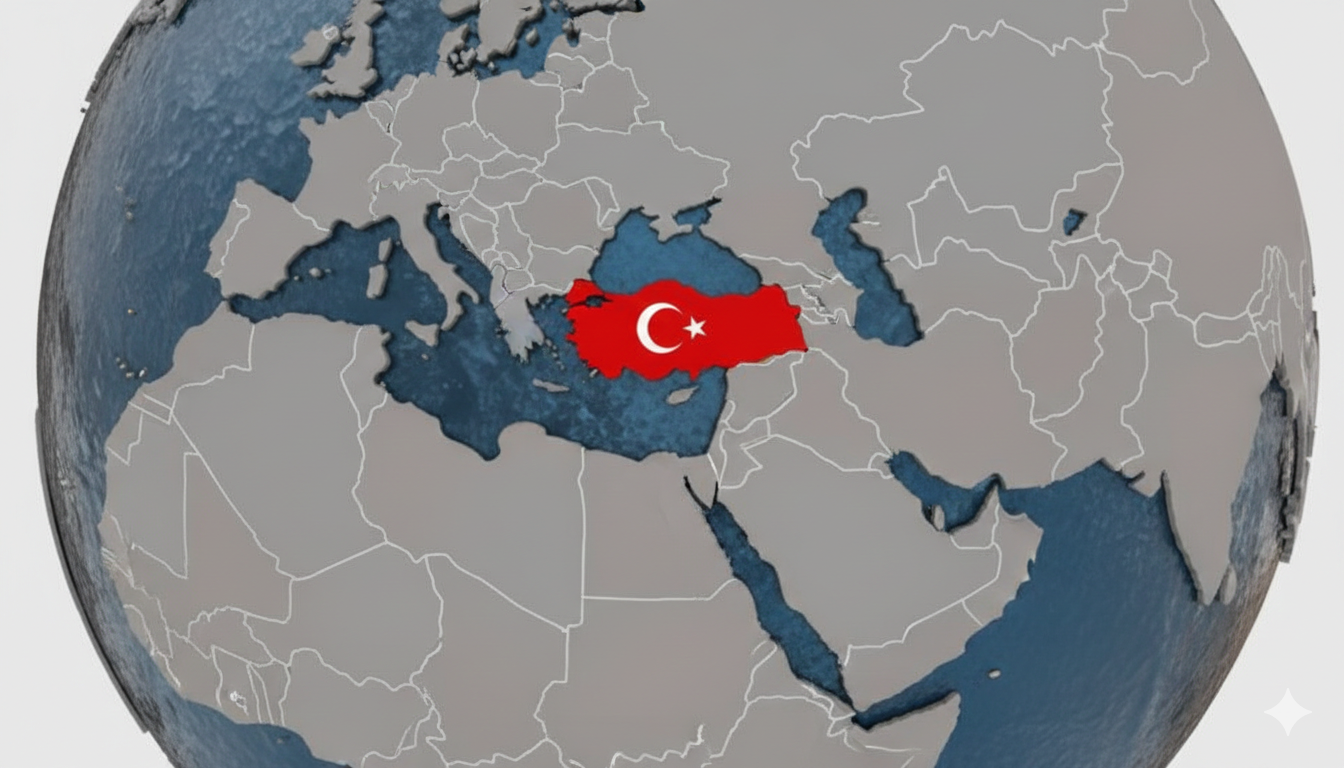
Turkey operates under a centralized state structure with a strong public administration system designed to ensure political stability, administrative efficiency, and national unity. The organization of the state and public institutions is primarily shaped by the Constitution of the Republic of Turkey and related legislation.
Constitutional Framework and State Structure
Turkey is a republic governed by a constitutional system based on the principles of democracy, secularism, and the rule of law. The Constitution defines the fundamental organization of the state and the separation of powers among the legislative, executive, and judicial branches.
Since the adoption of the Presidential Government System, executive authority is vested in the President, who serves as both head of state and head of government. The President is elected by popular vote and exercises executive power through ministries and public institutions.
Legislative Authority
Legislative power in Turkey belongs to the Grand National Assembly of Turkey (GNAT). The Parliament is responsible for enacting laws, approving the budget, and supervising the executive within constitutional limits. Members of Parliament are elected through general elections, reflecting the democratic representation of the population.
Executive Branch and Public Administration
The executive branch consists of the President, vice presidents, ministers, and public administration bodies. Ministries are responsible for implementing laws, formulating public policies, and managing administrative services across the country.
Public administration in Turkey follows a centralized model, supported by a network of provincial and district administrations. Governors and district governors represent the central government at the local level and ensure coordination between public institutions.
Local Municipalities
Although Turkey maintains a centralized administrative system, local municipalities play an important role in delivering public services. Local administrations include municipalities, special provincial administrations, and villages. These entities are responsible for services such as urban planning, infrastructure, environmental management, and social services, operating within the framework of national legislation.
Judiciary and Legal Oversight
The judiciary in Turkey functions independently and is responsible for interpreting and applying the law. Courts ensure legal oversight of administrative actions and protect individual rights. Administrative courts specifically review disputes arising from acts and decisions of public authorities.
Judicial review is a key mechanism for ensuring accountability and legality within the public administration system.
Public Institutions and Regulatory Authorities
Turkey has a wide range of public institutions and independent regulatory authorities that oversee specific sectors such as banking, energy, telecommunications, and competition. These bodies are established to ensure transparency, market stability, and compliance with national and international standards.
Public Service and Bureaucracy
The Turkish public service is based on a professional civil service system. Public officials are appointed according to legal criteria and are subject to administrative law principles. The system emphasizes hierarchy, accountability, and continuity of public services.
Conclusion
The state and public administration system in Turkey is characterized by a strong central authority, an organized bureaucracy, and a constitutional framework designed to ensure effective governance. While centralization remains a defining feature, local administrations and independent institutions contribute to public service delivery and regulatory oversight. Understanding the structure and functioning of Turkey’s public system is essential for individuals and organizations engaging with public authorities or conducting activities within the country.